Ultimate Guide to the Best Rugby Sports Bag for 2026
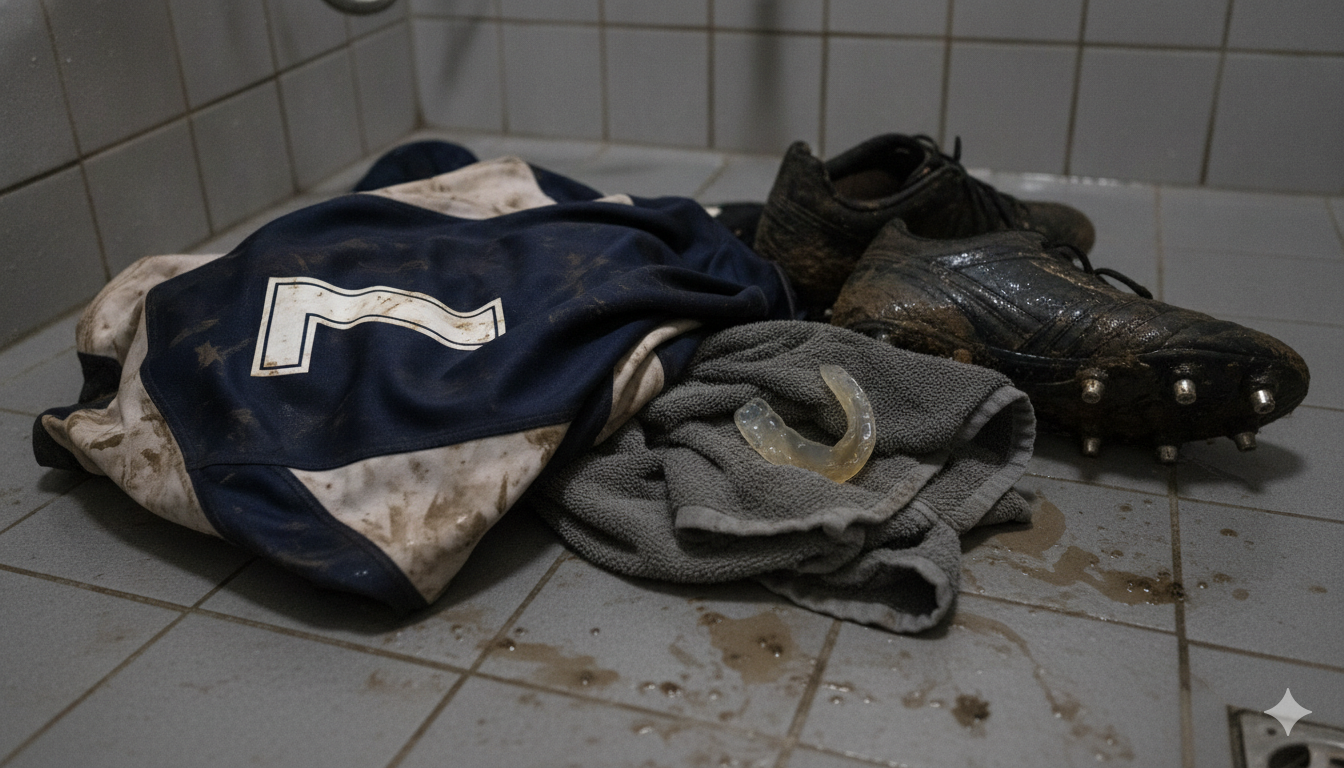
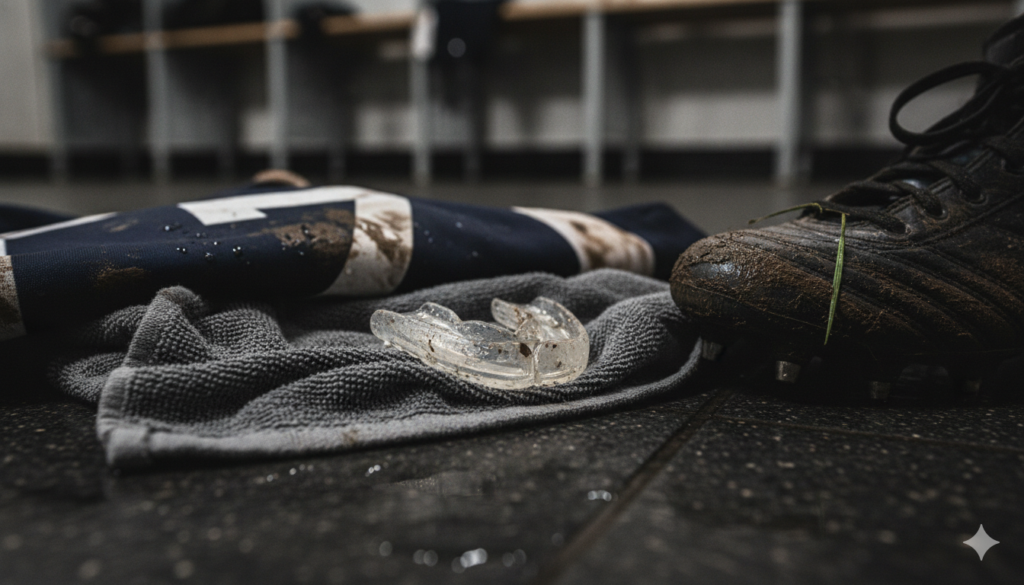
If you have ever played rugby, you know the struggle is real. After a rainy match, you are left with dripping jerseys, muddy boots, a wet towel, and a sticky mouthguard. Throwing all of that chaos into a cheap gym sack is a recipe for a smelly disaster. That is exactly why choosing the right rugby sports bag is one of the most important decisions a player can make off the field.
A great gear carrier does more than just hold your clothes. It keeps your clean stuff separate from your messy gear, protects your expensive boots, and stays comfortable on your shoulders even when it weighs a ton. In this deep-dive guide, we will break down what makes a perfect carrier, compare the top styles, and help you find the absolute best fit for your weekly training and weekend match days.
Why a Standard Gym Bag Just Won’t Cut It
Most general gym sacks are built for light t-shirts and small sneakers. They are made from thin fabric that tears easily when packed with heavy gear. Rugby players need something much tougher. A high-quality rugby sports bag is made from heavy-duty materials like water-resistant nylon or thick polyester. These tough fabrics can handle being dropped on wet grass or dragged across rough concrete dugouts.
I remember my very first season when I used an old school backpack. By week three, my metal boot studs tore right through the bottom liner. It was an absolute mess. True rugby bags feature reinforced stitching and heavy-duty zippers that will not burst open when you cram a giant winter coat inside alongside your regular training kit.
The Power of Dedicated Boot Compartments
The single greatest feature of a modern rugby sports bag is a built-in shoe compartment. Rugby boots get incredibly messy. If you throw them into a single-pocket pouch, your clean white match jersey will end up covered in dark mud before you even warm up.
A separate boot pocket acts like a sealed room inside your carrier. Many top brands use a special water-resistant lining for this pocket. This keeps moisture and wet turf completely isolated from your dry clothes. When you pack your rugby sports bag after a rainy match, you can slide your muddy cleats right into the designated slot and rest easy knowing your dry socks are perfectly safe.
Ventilation: Saving Your Nose from Wet Gear Smell
We have all opened a gym locker or a car trunk only to be hit by that awful smell of trapped sweat. Because rugby is played in all kinds of weather, your clothes get soaked with both sweat and rainwater. A well-designed rugby sports bag includes breathable mesh panels or metal grommets to let air flow naturally through the pockets.
This continuous airflow helps dry out damp fabrics and stops mold from growing. While you should still unpack your rugby sports bag as soon as you get home, having a ventilated bag protects your nostrils and your health during the long drive back from an away game.
Comparing the Three Major Bag Styles
Not every player travels to the pitch the same way. Some people take the bus, some drive, and others ride a bike. Because of this, manufacturers create three main layouts for your gear.
The classic duffle bag offers the most wide-open space. It is perfect for players who want to drop everything into one massive section. Backpack styles are better for younger athletes or anyone who cycles to practice, as they distribute the weight evenly across your shoulders. Finally, large wheeled bags are the ultimate choice for coaches or elite players going on long weekend tournament tours.

Rugby Sports Bag Storage Capacity Chart
Finding the right volume ensures you have enough space without carrying an oversized monster. Here is a handy breakdown of common sizes and who they are best for.
| Bag Size (Liters) | Best Use Case | Key Items It Can Hold |
| 30L to 45L | Daily training sessions and youth players | Boots, shorts, shirt, water bottle, and small mouthguard case. |
| 50L to 75L | Full match days and senior club players | Complete uniform, changes of clothes, protective headgear, towel, and warm-up jacket. |
| 80L+ | Team travel, coaches, and weekend tournaments | Multiple balls, training cones, medical kits, and a week’s worth of active apparel. |
Weatherproof Tech: Defeating the Rain
Rugby is a winter and spring sport in many parts of the world, which means you will eventually play in a downpour. If your carrier absorbs water, your clean post-game clothes will get soaked while you are out running on the pitch.
When shopping for a rugby sports bag, look for advanced features like coated bottom panels. Many top-tier brands use a thick rubber or tarpaulin base. This allows you to set your rugby sports bag directly on a wet, muddy field without a single drop of water soaking through to the interior compartments.
Smart Small Pockets for Essential Protective Gear
While big pockets hold your clothing, tiny pockets keep you organized. Think about all the small items a rugby player needs. You have a mouthguard, medical tape, personal keys, anti-chafing cream, and maybe a scrum cap.
A premium rugby sports bag features small, zippered mesh zones on the inside or outside walls. Keeping your mouthguard in its own clean, secure pocket ensures it doesn’t get lost under a pile of heavy towels. It also keeps your phone completely safe from scratched screens while you tackle hard during training drills.
Shoulder Straps: Carrying Heavy Loads with Ease
A fully loaded kit bag can easily weigh over fifteen pounds once you add water bottles and heavy muddy boots. Carrying that weight with a thin, unpadded strap will hurt your shoulders and back.
Look for a rugby sports bag that features thick, high-density foam padding on the main shoulder strap. Adjustable straps are also critical so you can position the pack snugly against your body. This stops the bag from bouncing around wildly while you walk from the parking lot to the changing rooms.
How to Keep Your Kit Pack Fresh and Clean
Even the best rugby sports bag requires a little bit of regular love to stay in top shape. You shouldn’t just leave your wet gear inside it until the next practice. Make it a habit to empty the entire bag out every single evening after you return from the field.
To clean the interior lining, simply wipe it down with a damp cloth and a mild soap mixture. Avoid throwing your entire heavy-duty rugby sports bag into a washing machine, as the spinning cycle can ruin the water-resistant coatings on the bottom panel. Instead, let it air dry completely by hanging it upside down with all the pockets unzipped.
Long-Term Value: Investing in Real Quality
It can be tempting to buy the cheapest bag available at a general department store. However, replacing a broken thirty-dollar bag every single season actually costs more over time than buying a genuine, purpose-built pack upfront.
A dedicated rugby sports bag is an investment in your athletic routine. When you choose a brand that understands the sport, you get a durable companion that easily lasts for years of hard use. It keeps you organized, protects your gear, and makes showing up to the pitch stress-free.
Conclusion: Ready to Pack for Victory
Choosing the perfect rugby sports bag changes how you prepare for game day. By picking a durable model with dedicated boot compartments and solid weather protection, you save yourself from messy cleanups and ruined clothing. Take a look at your current gear volume, choose the ideal size from our table, and upgrade your kit setup before your next big match.
Frequently Asked Questions
Can I use a standard soccer bag for rugby?
Yes, you can use a soccer bag since they often have boot compartments. However, make sure the fabric is thick enough to handle the extra weight of heavy rugby jerseys and protective body pads without ripping.
What size bag do I need for weekend match days?
A medium duffle or backpack between 50L and 70L is usually perfect. This size gives you plenty of space for your boots, a full change of dry clothes, a large towel, and your cold-weather jackets.
How do I stop my bag from smelling bad?
Always empty your dirty gear immediately after you get home. Leave all the zippers completely open in a well-ventilated room so the inside lining can dry out naturally.
Are waterproof bottoms really necessary?
Absolutely. Rugby pitches are often wet and muddy. A waterproof bottom prevents ground moisture from soaking upward into your clean socks and dry clothing while the bag sits on the sidelines.
Can a youth player use a full-sized duffle bag?
It is usually better for younger players to use a 30L to 40L backpack style. Large duffels can be too bulky and awkward for kids to carry safely without straining their backs.